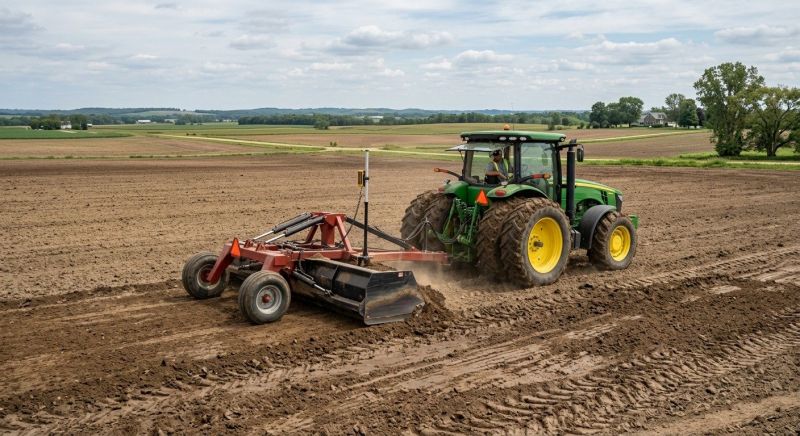
Field Leveling in Houston, TX
Field leveling services involve adjusting the surface of a property’s land to create a smooth, even terrain. This process is commonly used for a variety of projects, including preparing yards for landscaping, establishing a stable foundation for patios or driveways, and correcting uneven ground caused by settling or erosion. Homeowners often request this service to improve drainage, prevent water pooling, or enhance the overall appearance and usability of outdoor spaces.
Before requesting field leveling, property owners typically want to understand the extent of the unevenness, the type of soil or terrain involved, and any potential impacts on existing structures or landscaping. It’s also helpful to consider the intended use of the area after leveling, as different projects may require specific techniques or adjustments to achieve the desired results. Proper assessment ensures the work will meet the property’s needs and provide a stable, level surface for years to come.
Many property owners in Houston, TX look into Field Leveling for repairs, replacements, upgrades, and appearance-related improvements.
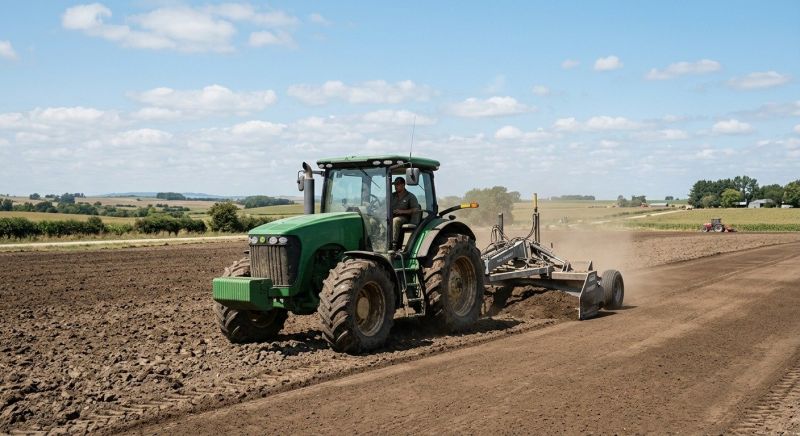
Ensuring A Level Foundation
Field leveling helps create a stable base for driveways, lawns, and building projects.
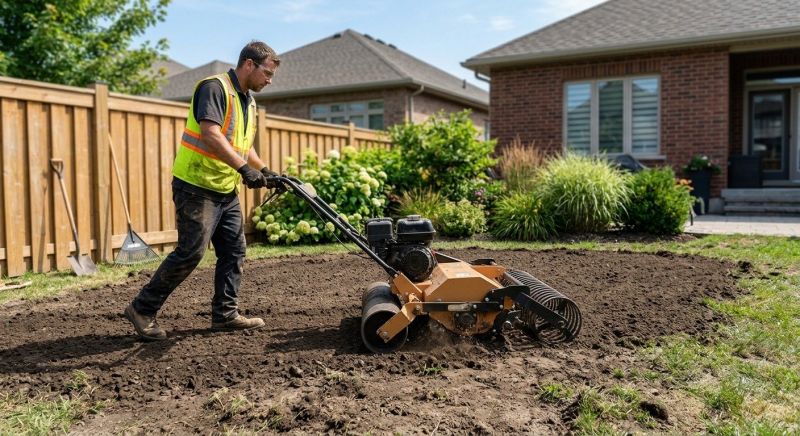
Improving Drainage And Water Flow
Proper leveling directs water away from structures, reducing erosion and water damage risks.
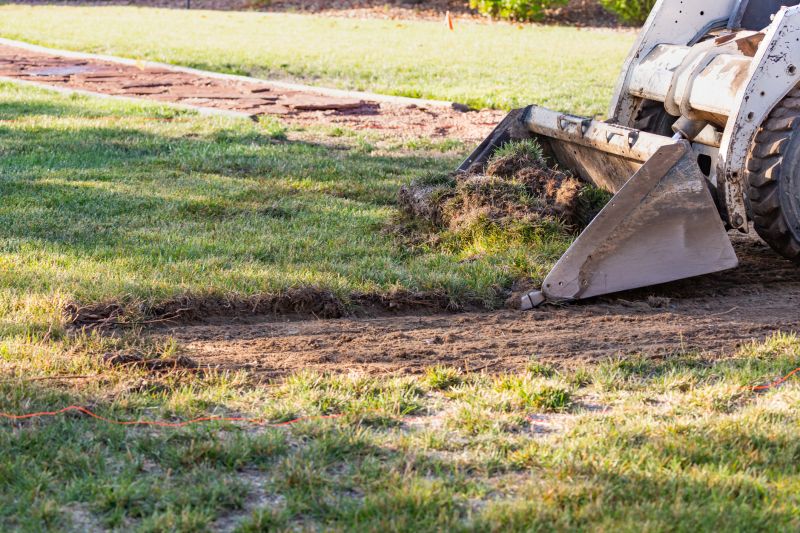
Preparing Land For Construction
Leveling land is essential for safe and efficient installation of patios, decks, and landscaping features in houston.
Field Leveling in Houston, TX
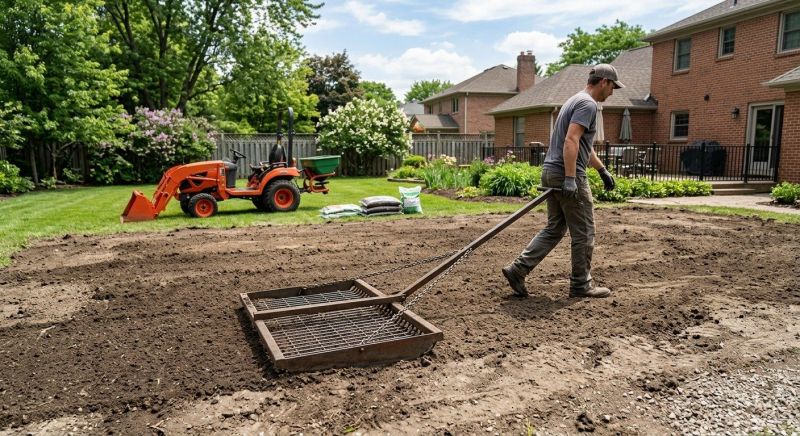
Field leveling services involve adjusting the surface of a property’s land to create a smooth, even terrain. This process is commonly used for a variety of projects, including preparing yards for landscaping, establishing a stable foundation for patios or driveways, and correcting uneven ground caused by settling or erosion. Homeowners often request this service to improve drainage, prevent water pooling, or enhance the overall appearance and usability of outdoor spaces.
Before requesting field leveling, property owners typically want to understand the extent of the unevenness, the type of soil or terrain involved, and any potential impacts on existing structures or landscaping. It’s also helpful to consider the intended use of the area after leveling, as different projects may require specific techniques or adjustments to achieve the desired results. Proper assessment ensures the work will meet the property’s needs and provide a stable, level surface for years to come.
Many property owners in Houston, TX look into Field Leveling for repairs, replacements, upgrades, and appearance-related improvements.
Common Field Leveling Jobs
Residential property leveling - ensures home foundations are even to prevent structural issues.
Landscape grading - improves drainage and prevents water pooling around the property.
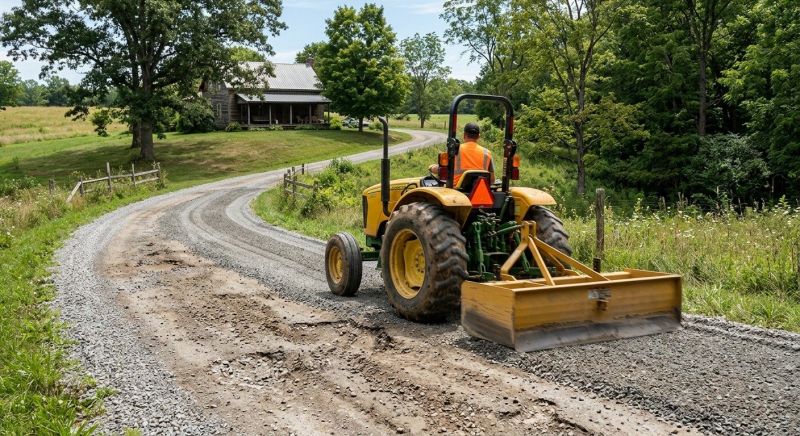
Driveway and walkway leveling - restores a smooth, safe surface for vehicles and pedestrians.
Foundation adjustment - corrects uneven settling that can cause cracks or instability.
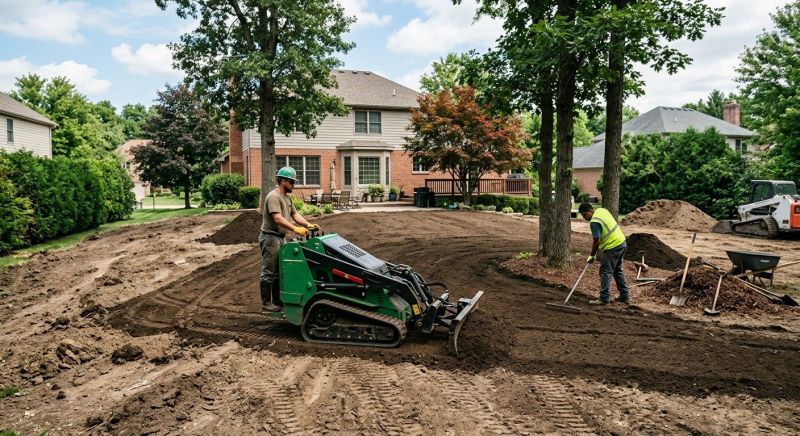
Yard and terrain leveling - creates a stable base for landscaping and outdoor projects.
Commercial property leveling - maintains a level foundation for business structures and parking lots.
Field Leveling Questions
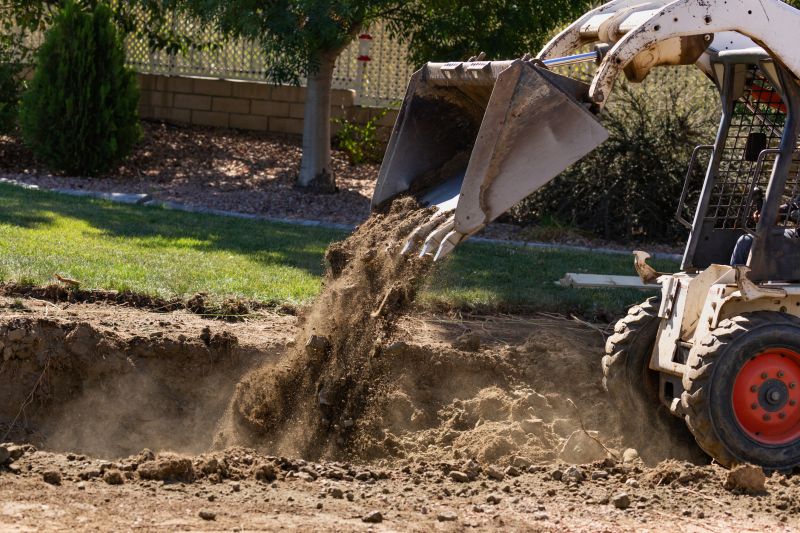
What is field leveling? Field leveling involves adjusting the ground surface to create a flat, even area for construction or landscaping projects.
When is field leveling needed? It is typically required when preparing a site for building foundations, patios, driveways, or sports fields that need a smooth surface.
What types of projects benefit from field leveling? Projects such as residential landscaping, commercial development, and recreational areas often require field leveling for proper installation and drainage.
How does field leveling improve property value? By providing a stable, even surface, field leveling enhances the usability and appearance of outdoor spaces, potentially increasing property appeal.
Request Field Leveling in Houston, TX
Use the quote form on this page to share the basics of your project and request more information for the type of work you need.